
Cybersecurity for Small and Mid-Size Businesses: Essential Protections and Managed IT Security Solutions in 2025
As cyber threats continue to evolve, small and mid-size businesses (SMBs) face increasing risks that can jeopardize their operations and data integrity. In 2025, understanding the landscape of cybersecurity is crucial for these businesses to protect themselves effectively. This article will explore the essential cybersecurity protections that SMBs should implement, the impact of emerging threats like ransomware and phishing, and the benefits of managed IT security solutions. By addressing these critical areas, SMBs can enhance their security posture and ensure compliance with regulatory requirements.
The following sections will cover the top cyber threats facing SMBs, the importance of employee training, and how localized expertise can improve cybersecurity efforts in the Dallas-Fort Worth area. Additionally, we will discuss how Cornerstone BTI can support SMBs in achieving robust cybersecurity measures tailored to their specific needs.
What Are the Top Cyber Threats Facing Small and Mid-Size Businesses in 2025?
In 2025, SMBs are increasingly targeted by cybercriminals due to their often limited resources for cybersecurity. The most significant threats include ransomware, “phishing attacks”, and data breaches. Ransomware attacks can cripple operations by encrypting critical data and demanding payment for its release, while phishing schemes trick employees into revealing sensitive information. According to recent statistics, approximately 43% of cyberattacks target small businesses, highlighting the urgent need for effective cybersecurity measures.
Indeed, research consistently shows that cybercriminals are intensifying their focus on SMBs, leveraging common attack vectors like phishing and ransomware.
SMB Cybercrime: Phishing, Malware, and Ransomware Threats
In conclusion, it can be pointed out that the empirical research has revealed that cybercriminals are increasingly focusing on SMBs, with phishing, malware, and ransomware attacks
Investigating The Factors and Impact of Cybercrime on Small-To Medium-Sized Business (SMBs): Analysing risks, factors, and solutions, 2025
Understanding these threats is essential for SMBs to develop a proactive defense strategy. By recognizing the tactics used by cybercriminals, businesses can implement appropriate safeguards to mitigate risks and protect their assets.
How Do Ransomware and Phishing Impact SMB Security?
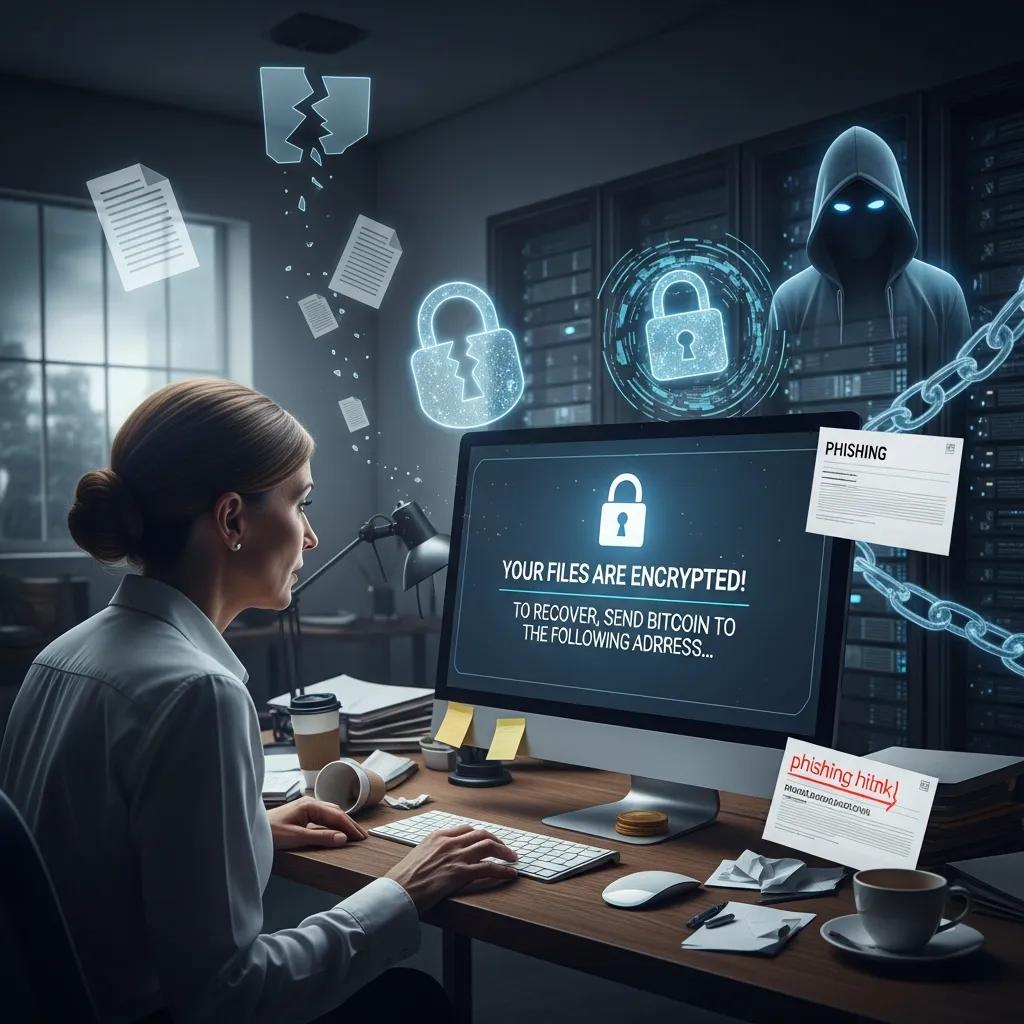
Ransomware and phishing attacks have profound effects on SMB security, often leading to significant financial losses and operational disruptions. Ransomware can lock businesses out of their systems, halting productivity and causing reputational damage. The financial consequences can be severe, with recovery costs often exceeding the ransom amount due to lost revenue and remediation efforts.
Further studies delve into the specific impacts of ransomware across various sectors, underscoring the particular vulnerability of SMBs.
Ransomware Impact on SMBs and MSP Challenges
Additionally, the study explores the varied impacts of ransomware across sectors, emphasizing the vulnerability of small to medium-sized businesses (SMBs), the education sector, and healthcare, as well as the challenges managed service providers (MSPs) face. It concludes with an overview of relevant laws and regulations, highlighting the legal landscape surrounding ransomware payments and the evolving strategies to combat this form of cybercrime.
Business impacts of ransomware, 2024
Phishing attacks, on the other hand, exploit human vulnerabilities, leading to unauthorized access to sensitive data. These attacks can result in data breaches that compromise customer trust and lead to regulatory penalties. As such, SMBs must prioritize cybersecurity training and awareness programs to equip employees with the knowledge to recognize and respond to these threats effectively.
What Emerging Threats Should SMBs Prepare For?
As technology advances, new and sophisticated cyber threats continue to emerge. SMBs must stay vigilant against evolving threats such as advanced persistent threats (APTs) and Internet of Things (IoT) vulnerabilities. APTs involve prolonged and targeted cyberattacks that can infiltrate networks undetected, while IoT devices often lack robust security measures, making them attractive targets for cybercriminals.
To combat these emerging threats, SMBs should adopt a proactive cybersecurity strategy that includes regular risk assessments and updates to their security protocols. By staying informed about the latest threats and trends, businesses can better prepare themselves to defend against potential attacks.
Which Essential Cybersecurity Protections Should SMBs Implement?
Implementing essential cybersecurity protections is critical for SMBs to safeguard their operations. Key measures include:
- Robust Network Security: Firewalls and intrusion detection systems help monitor and protect network traffic from unauthorized access.
- Regular Software Updates: Keeping software and systems up to date is vital to patch vulnerabilities that cybercriminals may exploit.
- Employee Training: Regular training sessions on cybersecurity best practices can significantly reduce the risk of human error leading to security breaches.
By focusing on these essential protections, SMBs can create a strong foundation for their cybersecurity efforts.
How Do Firewalls and Multi-Factor Authentication Enhance Network Protection?
Firewalls serve as a critical barrier between a trusted internal network and untrusted external networks, filtering incoming and outgoing traffic based on predetermined security rules. They help prevent unauthorized access and can block malicious traffic before it reaches sensitive systems.
Multi-factor authentication (MFA) adds an additional layer of security by requiring users to provide two or more verification factors to gain access to systems. This significantly reduces the risk of unauthorized access, even if login credentials are compromised. Together, firewalls and MFA create a robust defense against cyber threats, enhancing overall network protection.
What Are Best Practices for Endpoint Security Solutions?
Endpoint security is essential for protecting devices that connect to a network, such as laptops, smartphones, and tablets. Best practices for endpoint security include:
- Implementing Antivirus Software: Regularly updated antivirus solutions can detect and neutralize threats before they cause harm.
- Using Encryption: Encrypting sensitive data ensures that even if it is intercepted, it remains unreadable to unauthorized users.
- Conducting Regular Security Audits: Periodic assessments of endpoint security measures help identify vulnerabilities and ensure compliance with security policies.
By following these best practices, SMBs can enhance their endpoint security and reduce the risk of cyberattacks.
How Can Managed Cybersecurity Services Benefit Small and Mid-Size Businesses?

Managed cybersecurity services offer SMBs a comprehensive approach to protecting their digital assets. These services provide tailored protection that aligns with the specific needs of each business, ensuring that they receive the most effective security solutions.
One of the primary benefits of managed services is cost-effectiveness. By outsourcing cybersecurity, SMBs can access expert resources and advanced technologies without the overhead of maintaining an in-house team. Additionally, managed services often include continuous monitoring and incident response, allowing businesses to respond swiftly to potential threats.
What Does Continuous Threat Detection and Incident Response Include?
Continuous threat detection involves the ongoing monitoring of networks and systems to identify potential security incidents in real-time. This proactive approach allows businesses to detect and respond to threats before they escalate into significant breaches.
Incident response includes a structured approach to managing and mitigating the impact of security incidents. This process typically involves preparation, detection, analysis, containment, eradication, and recovery. By having a well-defined incident response plan, SMBs can minimize damage and restore normal operations more quickly.
How Does Localized Expertise Improve SMB Cybersecurity in Dallas-Fort Worth?
Localized expertise in cybersecurity can significantly enhance the security posture of SMBs in the Dallas-Fort Worth area. Local providers understand the unique challenges and regulatory requirements that businesses face in the region, allowing them to offer tailored solutions that address specific needs.
Additionally, having a local cybersecurity partner enables quicker response times in the event of a security incident. This proximity can be crucial for effective incident management and recovery, ensuring that businesses can maintain operations with minimal disruption.
What Compliance and Regulatory Requirements Must SMBs Address in 2025?
In 2025, SMBs must navigate a complex landscape of compliance and regulatory requirements related to data protection and cybersecurity. Key regulations include the General Data Protection Regulation (GDPR) for businesses handling EU citizens’ data and the Health Insurance Portability and Accountability Act (HIPAA) for healthcare-related entities.
Understanding these requirements is essential for SMBs to avoid potential fines and legal repercussions. Implementing robust cybersecurity measures not only helps in compliance but also builds trust with customers and stakeholders.
How Can SMBs Achieve and Maintain Compliance Efficiently?
Achieving and maintaining compliance requires a strategic approach that includes:
- Regular Audits: Conducting periodic audits to assess compliance with relevant regulations and identify areas for improvement.
- Documentation: Keeping detailed records of security policies, procedures, and training activities to demonstrate compliance efforts.
- Employee Training: Ensuring that all employees are aware of compliance requirements and their roles in maintaining security.
By following these strategies, SMBs can streamline their compliance efforts and reduce the risk of non-compliance.
Why Is Employee Cybersecurity Training Critical for SMBs?
Employee cybersecurity training is a vital component of an effective security strategy for SMBs. With human error being a leading cause of security breaches, equipping employees with the knowledge to recognize and respond to threats is essential.
Training programs should cover topics such as phishing awareness, password management, and safe browsing practices. Regular training sessions help reinforce security protocols and keep employees informed about the latest threats.
What Are Effective Strategies for Cybersecurity Awareness and Phishing Prevention?
To enhance cybersecurity awareness and prevent phishing attacks, SMBs can implement several effective strategies:
- Simulated Phishing Exercises: Conducting regular simulations helps employees recognize phishing attempts and respond appropriately.
- Clear Communication Channels: Establishing clear channels for reporting suspicious emails or activities encourages employees to take proactive measures.
- Ongoing Education: Providing continuous education on emerging threats and security best practices keeps cybersecurity top of mind for employees.
These strategies foster a culture of security awareness within the organization, significantly reducing the risk of successful phishing attacks.
Indeed, studies confirm that consistent cybersecurity awareness training, particularly for phishing, is highly effective in bolstering an organization’s defense against email-borne threats.
SME Cybersecurity: Phishing Awareness Training Effectiveness
Phishing attacks pose a significant risk to businesses, particularly small and medium-sized enterprises (SMEs) with limited cybersecurity resources and expertise. This study looked into the effectiveness of cybersecurity awareness training in lowering the risks of email-borne attacks for Irish SME. According to the findings, ongoing training, and awareness programmes, such as the cybersecurity awareness workshop, can be effective in reducing SME’s vulnerability to phishing attacks.
Effectiveness of cybersecurity awareness training in lowering the risks of email-borne attacks for Irish SME, 2024
How Does Training Reduce Risk and Support Incident Response?
Training not only reduces the risk of security breaches but also enhances the effectiveness of incident response efforts. When employees are well-informed about security protocols, they can act quickly and decisively in the event of an incident.
Effective training programs empower employees to recognize potential threats and follow established procedures for reporting and responding to incidents. This preparedness can significantly minimize the impact of security breaches and facilitate a quicker recovery.
How Does Cornerstone BTI Support SMB Cybersecurity Needs in 2025?
Cornerstone BTI is dedicated to providing comprehensive cybersecurity solutions tailored to the unique needs of small and mid-size businesses. With a focus on delivering managed IT security services, Cornerstone BTI helps businesses implement essential protections and respond effectively to emerging threats.
By leveraging localized expertise, Cornerstone BTI ensures that SMBs in the Dallas-Fort Worth area receive the support they need to navigate the complex cybersecurity landscape. Their proactive approach includes continuous monitoring, incident response, and employee training programs designed to enhance overall security posture.
How Can SMBs Engage with Cornerstone BTI for Customized Cybersecurity Solutions?
SMBs interested in enhancing their cybersecurity measures can easily engage with Cornerstone BTI for customized solutions. The process typically begins with a consultation to assess the specific needs and challenges faced by the business.
During this consultation, Cornerstone BTI’s experts will provide insights into effective strategies and solutions tailored to the organization’s requirements. By partnering with Cornerstone BTI, SMBs can ensure they are well-equipped to protect their digital assets and maintain compliance in 2025 and beyond.